Pressure-Balanced High-Temperature,
PRODUCT PARAMETERS
Description
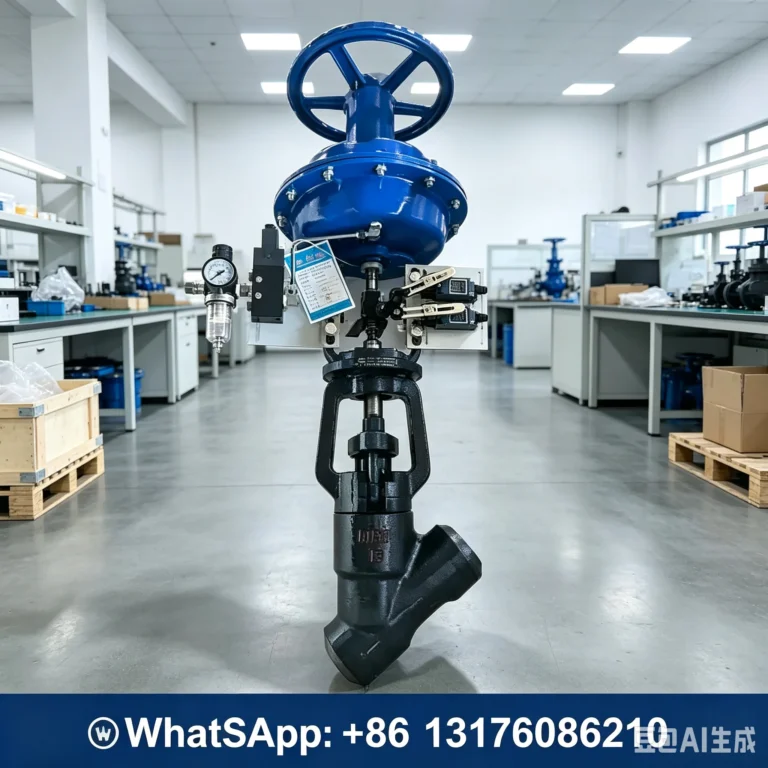
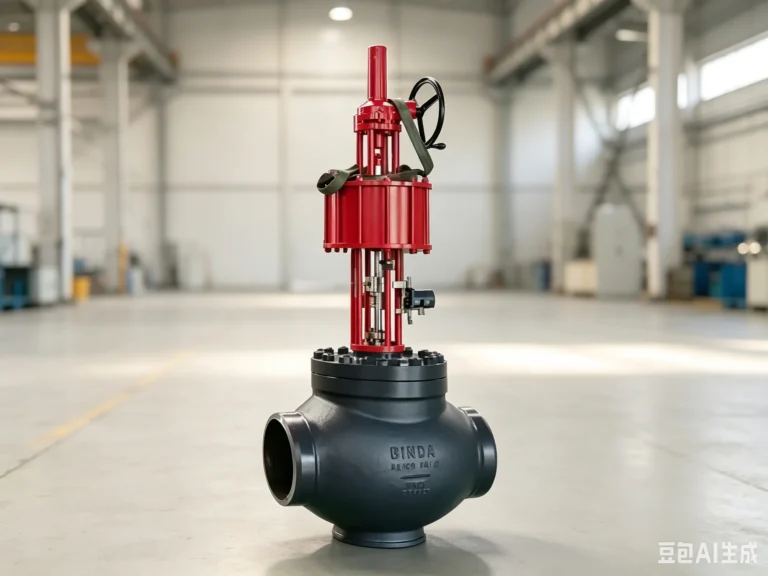
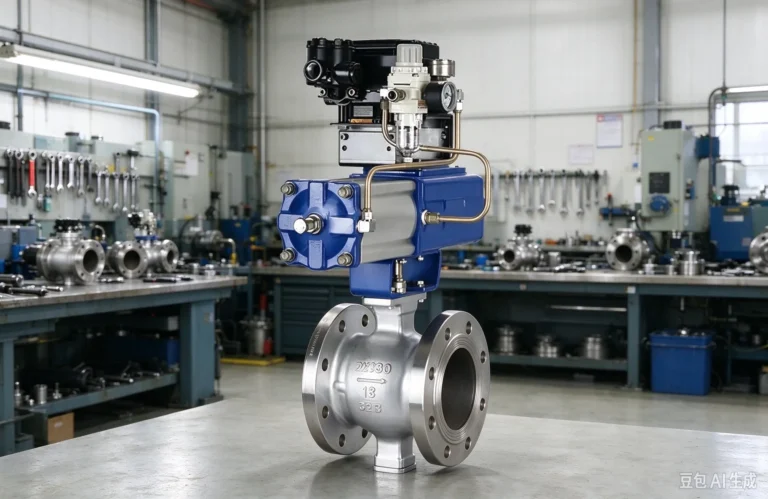
Pressure-Balanced High-Temperature, High-Pressure Globe-Type Shut-off Valve
- Product Overview
The pressure-balanced high-temperature, high-pressure globe-type shut-off valve is a specialized safety shut-off valve developed for extreme operating conditions characterized by high temperatures, high pressures, large pressure differentials, and frequent cycling. It integrates three core design features—an internal pressure-balancing structure, a high-pressure self-sealing mechanism, and a robust, high-temperature/high-pressure resistant valve body—effectively resolving industry-wide pain points such as excessive operating torque, jamming due to pressure differentials, leakage at high temperatures, failure caused by thermal deformation, and external high-pressure leakage.
Unlike standard high-pressure shut-off valves, this valve utilizes a pressure-balancing port in the plug/disc or a built-in balancing piston mechanism to automatically equalize the pressure differential across the medium. This significantly reduces the force required for operation, enabling effortless opening/closing and rapid shut-off even under conditions of extreme pressure differential. It features an integrated self-sealing bonnet that utilizes internal pressure to tighten the seal; the higher the pressure, the superior the sealing performance. Additionally, the valve employs specialized materials and a heat-dissipating structure to withstand harsh environments—such as steam, high-temperature thermal oil, high-temperature/high-pressure process gases, thermal power generation, petrochemical hydroprocessing, and coal chemical industries. It offers manual operation, automatic emergency shut-off (triggered by overpressure or underpressure), fail-safe locking, and remote electric shut-off capabilities. With zero-leakage sealing, stable operation, and resistance to high-temperature creep and thermal shock, it serves as a critical safety component for high-temperature, high-pressure fluid piping systems. The product strictly complies with standards such as GB/T 20967, API 602, and GB 12224 for high-temperature and high-pressure valves. - Core Structural Features (Incorporating Pressure Balancing and High-Temperature/High-Pressure Design)
2.1 Internal Pressure-Balancing Structure (Core Advantage)
The valve plug/disc assembly features an integrated pressure-balancing through-hole or an internal balancing piston mechanism, constituting a proprietary pressure-balancing design. When the valve is closed, high-pressure upstream fluid is channeled through a balancing port into the upper chamber of the valve disc. This balances the pressure differential across the valve core and counteracts the axial thrust generated by the high-pressure fluid, ensuring that valve operation is unaffected by resistance caused by pipeline pressure differentials.
This design reduces operating torque by over 70% under high-pressure, high-differential conditions, effectively eliminating issues common to standard high-pressure valves—such as the inability to open due to excessive pressure differential, sticking or binding during operation, stem deformation, and actuator overload or failure. During emergency shut-off, the balancing mechanism rapidly relieves pressure and force, ensuring a stable, lag-free, and smooth response; it is suitable for applications involving high/low pressures and significant pressure fluctuations.
2.2 High-Pressure Self-Sealing Structure (Retained and Enhanced)
The bonnet utilizes a high-pressure self-tightening sealing structure, comprising a self-sealing pressure ring, a flexible gasket, a sealing sleeve, and a pre-tightening assembly. Initial sealing under low-pressure conditions is achieved via bolt preload. Under high-pressure conditions, the fluid pressure itself pushes the pressure ring upward, automatically compressing the sealing surfaces; higher fluid pressure results in greater sealing contact pressure and enhanced sealing reliability.
This structure effectively mitigates leakage risks caused by bolt thermal relaxation and material creep under high-temperature, high-pressure conditions. It eliminates external bonnet leakage, ensures zero-leakage performance throughout operation, and is suitable for continuous long-term service in high-temperature, high-pressure environments—offering sealing performance far superior to traditional packing seals or hard-sealed flanges.
2.3 Specialized Design for High-Temperature and High-Pressure Service - Extended Heat-Dissipating Bonnet Neck: An extended bonnet neck design, featuring heat-dissipating fins, isolates the stuffing box and sealing components from the high-temperature fluid zone. This effectively lowers the operating temperature at the sealing interface, preventing heat damage to seals and packing degradation, thereby significantly enhancing sealing stability and service life in high-temperature applications. 2. Monoblock Forged Valve Body Structure: The valve body is manufactured using a monoblock forging process, eliminating casting defects such as porosity, sand holes, and cracks. It offers high structural strength and rigidity, capable of withstanding high-temperature thermal shock, high-pressure compression, and alternating pipeline loads, thereby preventing deformation or cracking under high-temperature and high-pressure conditions.
- High-Temperature Resistant Guiding and Anti-Vibration Structure: The valve plug and stem are equipped with precision upper and lower guide sleeves. Under high-temperature conditions, this effectively suppresses plug vibration and misalignment, prevents jamming caused by thermal deformation, and ensures precise, synchronized opening, closing, and shut-off actions—making it suitable for high-temperature applications involving frequent cycling and significant pressure fluctuations.
- High-Temperature Creep-Resistant Sealing Structure: The sealing assembly utilizes a combination of hard sealing and flexible composite sealing. This design compensates for minor thermal deformation of materials at high temperatures, preventing sealing surface wear and leakage caused by high-temperature pressure differentials.
- Specialized Material Configuration for High-Temperature and High-Pressure Service (New Addition)
Materials are specifically selected to match different high-temperature ranges and pressure ratings, preventing failures due to high-temperature oxidation, corrosion, or creep. Specific material configurations are as follows: - Medium-to-High Temperature/Pressure Service (Ambient to 350°C): The valve body uses A105N forged carbon steel, offering good toughness, resistance to high-pressure shock, and resistance to creep at these temperatures. The stem uses 2Cr13 stainless steel, providing high hardness, wear resistance, and rust resistance. Sealing components utilize flexible graphite and high-strength spiral-wound gaskets, offering medium-to-high temperature resistance, stable sealing performance, and cost-effectiveness; suitable for media such as standard high-temperature steam, oil products, and compressed air.
- High-Temperature/Pressure Service (350°C to 550°C): The valve body uses 16Mn forgings or chromium-molybdenum steel (15CrMo), which possess excellent high-temperature strength and resistance to thermal creep, ensuring stability against deformation or failure at high temperatures. The stem uses 304/316 stainless steel. Sealing components utilize flexible graphite composite seals and high-temperature resistant metal spiral-wound gaskets; suitable for high-temperature/pressure steam, process fluids, and thermal power plant piping systems. 2. Ultra-high temperature (above 550°C), high-pressure, and corrosive service conditions: Valve bodies are constructed from 316L stainless steel or F91 high-temperature alloy steel, offering high-temperature resistance, oxidation resistance, resistance to acid/alkali corrosion, and resistance to high-temperature creep, enabling long-term operation under severe ultra-high temperature and high-pressure conditions; valve stems utilize Hastelloy or duplex stainless steel; sealing employs a combination of metal-to-metal hard sealing and specialized high-temperature seals, making them suitable for petrochemical hydrogenation, coal chemical processing, and pipelines conveying high-temperature, corrosive media.
- General component materials: Springs are made of high-temperature alloy spring steel to eliminate fatigue failure caused by high temperatures; fasteners utilize specialized high-temperature heat-resistant bolts to prevent loosening or stress relaxation at high temperatures; guide sleeves and gland rings are made of wear-resistant alloys, providing resistance to erosion and wear. 4. Key Technical Parameters (Updated/Upgraded)
- Nominal Pressure: PN160–PN420 (PN630 available for ultra-high-pressure customization)
- Applicable Media: High-temperature/high-pressure steam, thermal oil, process gases, petroleum products, chemically neutral or mildly corrosive fluids, high-pressure hydraulic media
- Medium Temperature: -40°C to +550°C (alloy steel materials suitable for ultra-high-temperature conditions)
- Response Time: 0.5s–1s (rapid emergency shut-off; no latency in high-temperature conditions)
- Operation Mode: Manual, pneumatic/electric actuation, remote electronic emergency shut-off
- Core Structure: Integrated pressure-balancing structure + high-pressure self-sealing structure + extended heat-dissipating high-temperature structure
- Operational Characteristics: Easy opening/closing under full differential pressure; no sticking, low torque; suitable for high differential pressure conditions
- Protection Class: IP65; Explosion-proof Rating: ExdIIBT4 (explosion-proof version optional)
- Sealing Class: Class VI (zero leakage); no external or internal leakage under high-temperature/high-pressure conditions
- Connection Type: High-pressure flange, butt-weld (specialized for high-temperature/high-pressure service)
- Shut-off/Protection Modes: Over-pressure shut-off, under-pressure shut-off, electronic emergency shut-off, loss-of-pressure self-locking shut-off
- Overall Working Principle (Integration of pressure balancing, self-sealing, and high-temperature structures)
This valve consists of a valve body, an extended heat-dissipating valve neck, a pressure self-sealing bonnet assembly, an internal pressure-balancing plug assembly, a high-temperature-resistant stem, an alloy sealing pair, a high-temperature spring assembly, a pressure-sensing mechanism, an electronic/pneumatic actuation mechanism, and a self-locking reset mechanism. Standard Operation Principle: During opening and closing, the medium flows through the pressure-balancing hole in the valve plug to automatically equalize pressure between the upper and lower chambers. This eliminates axial thrust caused by pipeline pressure differentials, significantly reducing operating torque for smooth, effortless actuation and preventing jamming or stem deformation under high pressure differentials. An extended heat-dissipating bonnet isolates sealing components from high-temperature media, ensuring flexible operation in high-temperature conditions.
High-Pressure Self-Sealing Principle: Initial sealing relies on bolt preload at low pressures. As pipeline pressure rises, the medium pushes the self-sealing pressure ring upward to compress the sealing surface; higher pressure increases the sealing contact stress, automatically compensating for material creep and thermal deformation gaps under high-temperature, high-pressure conditions, thereby completely preventing bonnet leakage.
Emergency Shut-off Principle: Upon detecting overpressure, underpressure, sudden failure, or a remote shut-off signal, the sensing mechanism rapidly triggers the release of the locking mechanism while the pressure-balancing mechanism simultaneously relieves pressure. Driven by spring force and the medium’s thrust, the valve plug quickly engages the seat to instantly cut off flow and ensure safe lockdown. The valve remains locked and maintains pressure after shut-off; manual reset and restart are only possible after the fault is cleared and pressure is fully relieved. - Installation Instructions (for High-Temperature, High-Pressure Configurations)
6.1 Pre-installation Checks
- Inspect the integrally forged valve body for cracks, deformation, or sand holes; ensure the extended heat-dissipating bonnet is intact and free from impact damage.
- Carefully check that the pressure-balancing plug’s through-hole is clear of obstructions; ensure self-sealing components (pressure ring, gasket, sleeve) are intact and free from scratches or deformation, and that high-temperature sealing parts show no signs of aging.
- Verify that the valve material and pressure-temperature ratings match the site’s high-temperature, high-pressure operating conditions; strictly prohibit the use of low-temperature/low-pressure valves as substitutes for high-temperature/high-pressure valves.
- Thoroughly clean the pipeline and valve cavity to remove welding slag, rust, and hard debris, preventing blockage of the balancing hole or scratching of the high-temperature sealing surfaces. 6.2 Installation Requirements
- Install strictly according to the flow direction indicated on the valve body; reverse installation is prohibited to prevent failure of the pressure-balancing structure or malfunction of the shut-off function.
- For high-temperature piping, ensure coaxial alignment and allow for thermal expansion clearance; forced alignment is strictly prohibited to avoid additional stresses caused by thermal expansion, which could lead to valve body deformation or seal failure.
- High-pressure welded connections must utilize specialized welding procedures for high-temperature, high-pressure applications and undergo post-weld non-destructive testing to eliminate defects; flanged connections must be tightened evenly using gaskets rated for high temperature and pressure.
- Ensure sufficient maintenance space around the valve to facilitate future cleaning of pressure-balancing holes, replacement of high-temperature sealing components, and servicing of the self-sealing structure.
- Keep associated piping and electrical control components away from the high-temperature zones of the valve body to prevent damage from heat-induced aging.
6.3 Post-Installation Pressure Testing
Upon completion of installation, conduct a strength test at 1.5 times the nominal pressure and a seal test at 1.1 times the nominal pressure, maintaining the pressure for 5–10 minutes. Key inspection points include: no valve body deformation, no external leakage at the self-sealing bonnet, no internal leakage at the valve plug seal, smooth operation of the pressure-balancing structure, and responsive emergency shut-off action. The valve may only be heated and put into operation after passing these tests. For high-temperature applications, the temperature must be raised gradually to avoid structural or seal damage caused by sudden thermal shock.
- Operating Procedures
7.1 Standard Opening and Closing Operations
Thanks to the pressure-balancing structure, the valve can be opened and closed smoothly under full differential pressure without the need for auxiliary leverage tools. For manual operation, rotate the handwheel slowly; for electric or pneumatic valves, use low-speed opening/closing modes. Abrupt opening or closing is prohibited to prevent damage to the balancing structure and high-temperature sealing components caused by high-temperature water hammer or pressure surges. Forced operation is strictly prohibited to avoid deformation of the valve plug balancing holes or damage to the valve stem. 7.2 Emergency Shut-off and Reset Operations
Automatic, manual, and remote emergency shut-off actions are rapid and precise; the pressure-balancing mechanism releases pressure synchronously without sticking or delay. After the valve self-locks, it must undergo complete depressurization and cooling; the fault causing the high-temperature/high-pressure condition must be identified and rectified before unlocking and resetting. Forced resetting under pressurized or high-temperature conditions is strictly prohibited. - Maintenance and Servicing (High-Temperature/High-Pressure Specific)
8.1 Routine Maintenance
- Daily inspections should focus on: ensuring no external leakage at the pressure self-sealing bonnet, no high-temperature deformation of the valve body, and smooth valve operation (opening/closing) without sticking or abnormal noise.
- Periodically check the pressure-balancing hole for obstructions; prevent coking or debris blockage, which could cause failure of the pressure-balancing function and increased operating torque.
- Inspect the extended heat-dissipating valve neck and cooling fins to ensure they are free of dust and blockages, thereby maintaining heat dissipation efficiency and lowering the operating temperature of sealing components.
- Strictly prohibit operation under conditions exceeding temperature, pressure, or differential pressure limits to prevent damage to the valve body and structural components caused by high-temperature creep or high-pressure overload.
8.2 Periodic Maintenance - Conduct monthly opening/closing tests and emergency shut-off simulation tests to verify the proper functioning of pressure balancing, self-sealing, and shut-off self-locking mechanisms.
- Perform quarterly disassembly and inspection: clear debris from the pressure-balancing hole; inspect high-temperature seals, self-sealing pressure rings, and alloy valve seats for wear. Regular replacement of seals used in high-temperature service is recommended to prevent leakage caused by high-temperature aging.
- Calibrate the pressure shut-off threshold every six months; test the valve body’s high-temperature pressure resistance and sealing performance; and check for potential issues such as thermal deformation or component fatigue.
- Conduct an annual comprehensive inspection of high-stress, wear-prone components—such as high-temperature springs, valve stems, and guide sleeves—and replace any parts showing signs of fatigue or deformation. 8.3 Maintenance for Long-term Decommissioning
Drain high-temperature media from the valve cavity; thoroughly clean the balancing holes and sealing surfaces; apply anti-rust and anti-corrosion treatments. Keep the valve in a semi-open position and seal the ports. Store in a dry, well-ventilated environment to prevent corrosion from moisture or component aging caused by high-temperature exposure.
- Common Faults and Troubleshooting (Including High-Temperature Balancing Structure Faults)
Common Faults
Causes
Troubleshooting Methods
Difficulty or sticking during opening/closing under high differential pressure
Pressure balancing holes clogged; balancing mechanism failed; medium pressure differential cannot be neutralized
Fully depressurize; disassemble and clean the valve plug balancing holes; clear medium passages; restore pressure balancing function
External leakage at the bonnet self-sealing joint
Aging of high-temperature seals; deformation of the pressure ring; increased sealing gap due to high-temperature creep
Disassemble after cooling and depressurizing; replace high-temperature self-sealing gasket; correct the pressure ring; repair sealing surfaces
Internal leakage under high-temperature conditions
High-temperature thermal deformation; erosion/wear of sealing surfaces; jamming by coking residues or impurities
Clean impurities from the valve cavity; lap/repair alloy sealing surfaces; replace high-temperature composite seals
Delayed emergency shut-off response
Poor pressure relief in the balancing mechanism; fatigue of high-temperature springs; misalignment of sensing components
Clear balancing passages; replace high-temperature alloy springs; calibrate pressure shut-off threshold
Abnormal noise or vibration of the valve body during high-temperature operation
Wear of guide sleeve; valve plug misalignment; abnormal thermal expansion clearance
Replace guide components; adjust assembly clearances; eliminate valve plug oscillation under high-temperature conditions - Safety Precautions (High-Temperature and High-Pressure Specific)
- Strictly prohibit operation exceeding rated temperature or pressure limits; avoid rapid temperature fluctuations to prevent thermal shock cracking or failure of the valve body and seals.
- Strictly prohibit disassembling pressure self-sealing components or pressure-balancing valve plug structures while under pressure or at high temperatures; maintenance must only be performed after complete depressurization and cooling to ambient temperature to prevent accidents involving medium discharge or high-temperature burns. 1. Operate valves smoothly under high-temperature conditions; avoid abrupt opening or closing to prevent water hammer shocks from damaging the pressure-balancing structure and sealing system.
- Non-authorized personnel must not disassemble or adjust the pressure-balancing mechanism or self-sealing components, as this could compromise the valve’s core performance and safety integrity.
- For explosion-proof valves located in flammable, explosive, or high-temperature areas, strictly adhere to explosion-proof operational protocols; unauthorized disassembly or wiring modifications are prohibited.
- Transportation and Storage
- Secure the valve firmly during transport to avoid severe impacts; pay special attention to protecting the pressure-balancing valve core, self-sealing surfaces, and the extended heat-dissipating bonnet neck against deformation or damage.
- Ensure port and valve cavity seals remain intact; implement waterproofing, dustproofing, and anti-corrosion measures to prevent debris from entering and clogging the balancing holes.
- Store finished products in a dry, well-ventilated warehouse free from corrosive gases; avoid exposure to direct sunlight or damp environments, which could accelerate the aging of high-temperature components.
- Warranty Information
This product has undergone rigorous factory testing, including high-temperature pressure resistance, high-pressure sealing, and comprehensive operational performance checks. The warranty period is 12 months (commencing from the date of successful installation and acceptance). Provided the valve is installed correctly, operated according to specifications, and maintained regularly, the manufacturer will repair or replace major structural components—such as the valve body, core, and stem—free of charge in the event of quality defects. Wear parts—such as self-sealing gaskets, high-temperature seals, and springs—are excluded from the warranty. Failures resulting from operation beyond temperature or pressure limits, unauthorized disassembly of core structures, improper operation, or external damage are not covered by the warranty; however, paid repair services are available.
Note: The parameters and structural details in this manual are for reference only. Product specifications may be upgraded or optimized without prior notice; the actual supplied product, customized materials, and specific operating parameters shall prevail.
Manufacturer: Wenzhou Zhongze Automatic Control Valve Co., Ltd.
Contact: WhatsApp: +86 1317608621
FAQs
What types of products can we offer?
Make amazing 60 degree bevel cuts with our 8-1/4 in. SKILSAW Worm Drive model SPT78W-01. This saw is powered by our largest 15 amp Dual-Field high torque motor so you will make the last cut as precisely as you did the first cut. Exclusive 60 degree bevel. High torque Dual-Field motor. Legendary SKILSAW durability. Includes: SPT78W 8-1/4 In. Worm Drive SKILSAW, 24 Tooth Carbide blade and multi-functional blade wrench.
What logistics do we ship through?
Make amazing 60 degree bevel cuts with our 8-1/4 in. SKILSAW Worm Drive model SPT78W-01. This saw is powered by our largest 15 amp Dual-Field high torque motor so you will make the last cut as precisely as you did the first cut. Exclusive 60 degree bevel.

Can it be customized as per our requirements?
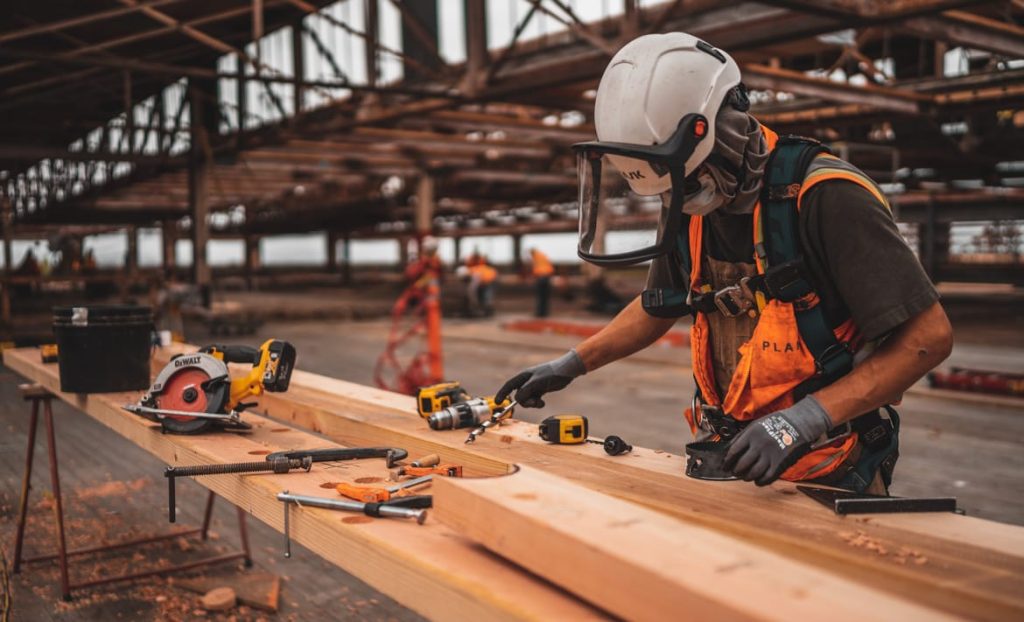
Make amazing 60-degree bevel cuts with our 8-1/4 in. SKIL Worm Drive Skilsaw model SPT78W-01. This Skilsaw is powered by our largest 15 amp Dual-Field™ high torque motor so you will make the last cut as precisely as you did the first cut. Exclusive 60-degree bevel. High torque Dual-Field™motor. Legendary SKIL durability.
What is our ordering process?
Shenguan is a direct seller of CATL, LISHEN, EVE, GOTION, Narada, TAFEL, CALB, REPT and other batteries. We have fresh stock, ready for shipment. Support ODM&OEM, please contact the store customer service to provide customized requirements.
What services are included in the after-sales service?
- This saw is powered by our largest 15 amp Dual-Field
- High torque motor so you will make the last cut as precisely as you did the first cut.
- Exclusive 60 degree bevel. High torque Dual-Field motor. Legendary SKILSAW durability.
- Includes: SPT78W 8-1/4 In. Worm Drive SKILSAW, 24 Tooth Carbide blade and multi-functional blade wrench.