High-Temperature Ball Valve
PRODUCT PARAMETERS
Description
F316/A105/F304/F94 Forged Steel High-Pressure/High-Temperature Ball Valve – User Manual
- Product Overview
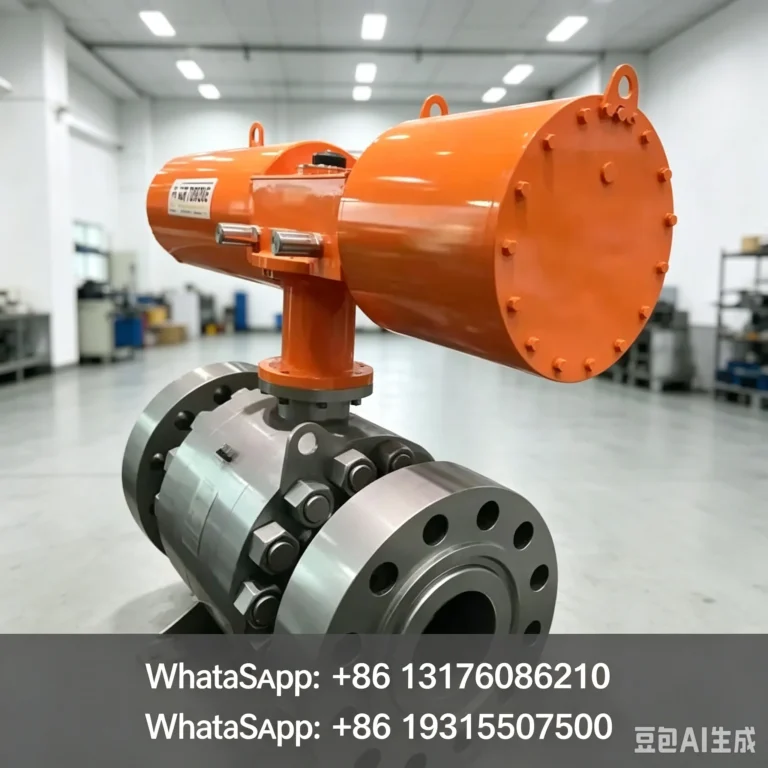
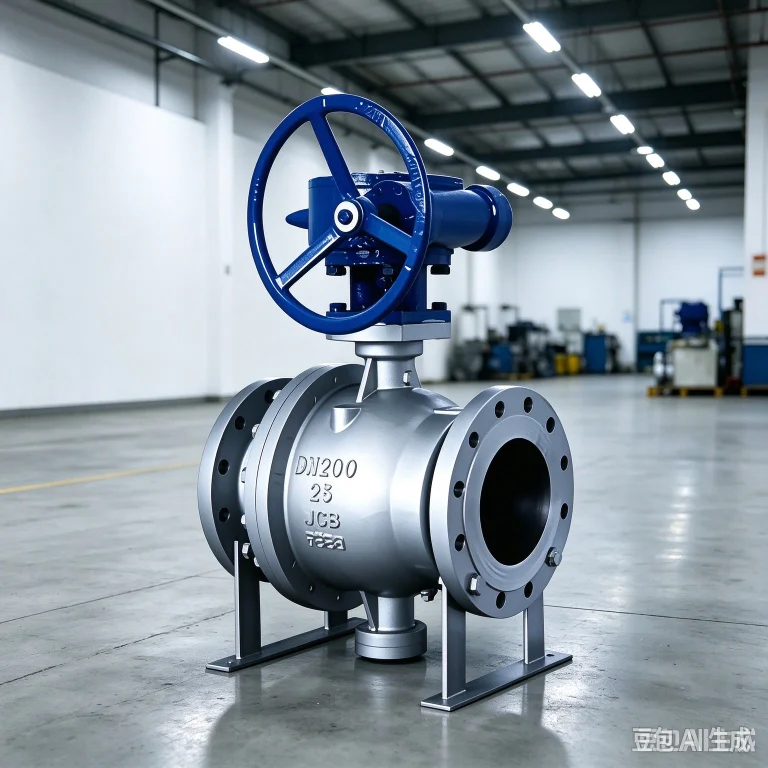
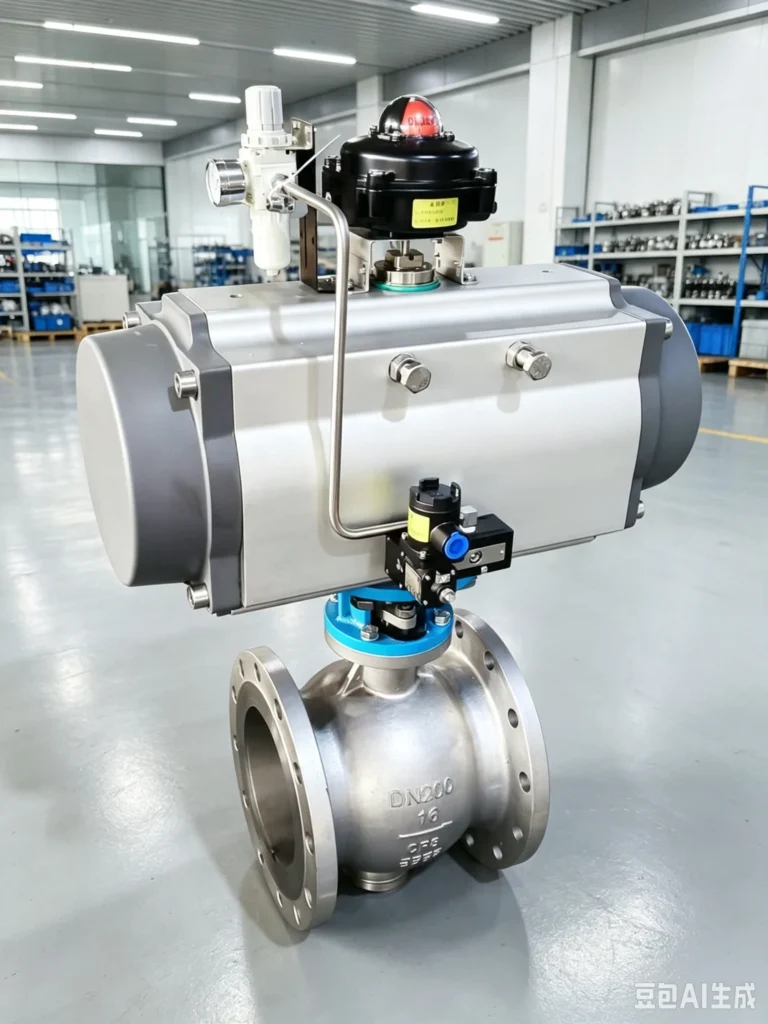
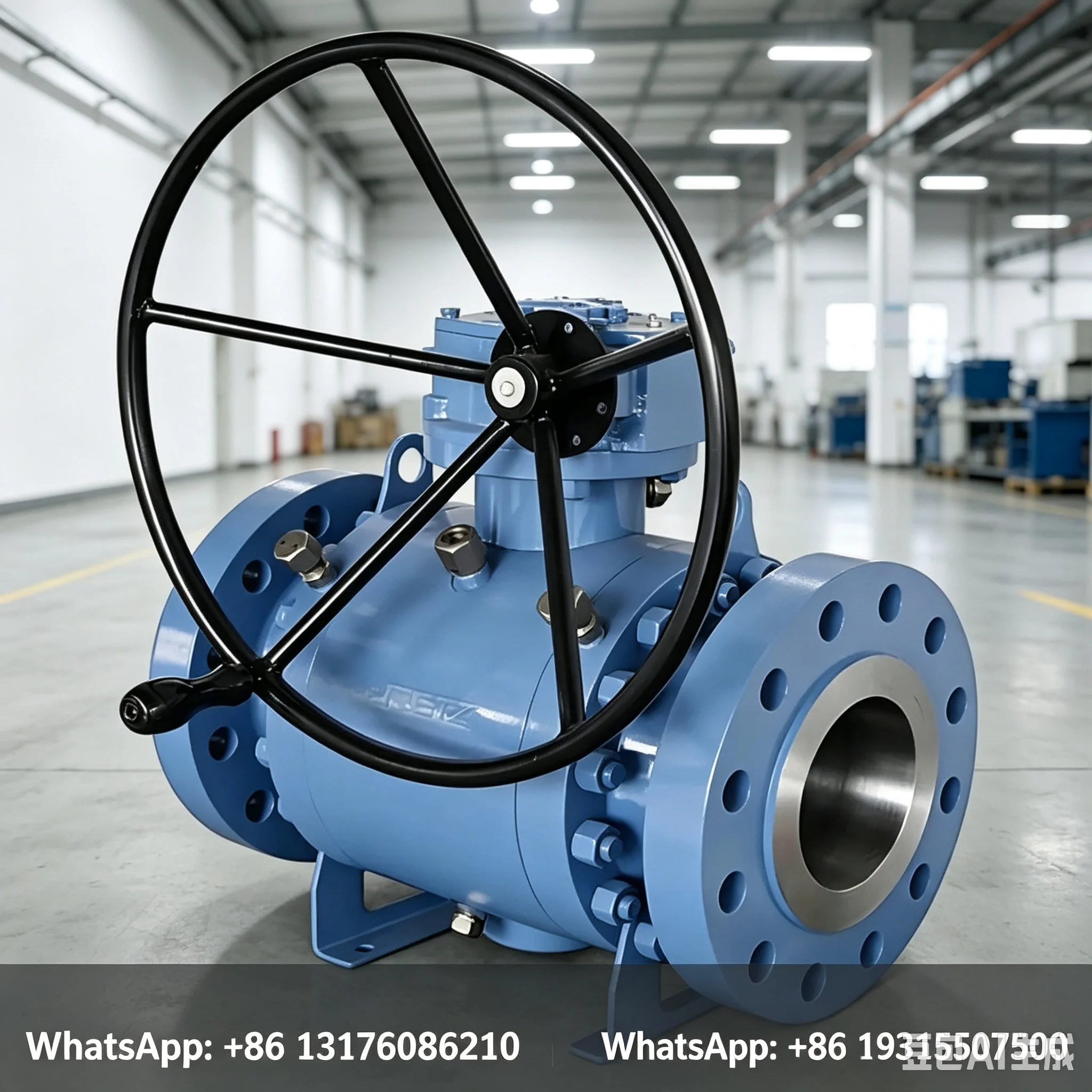
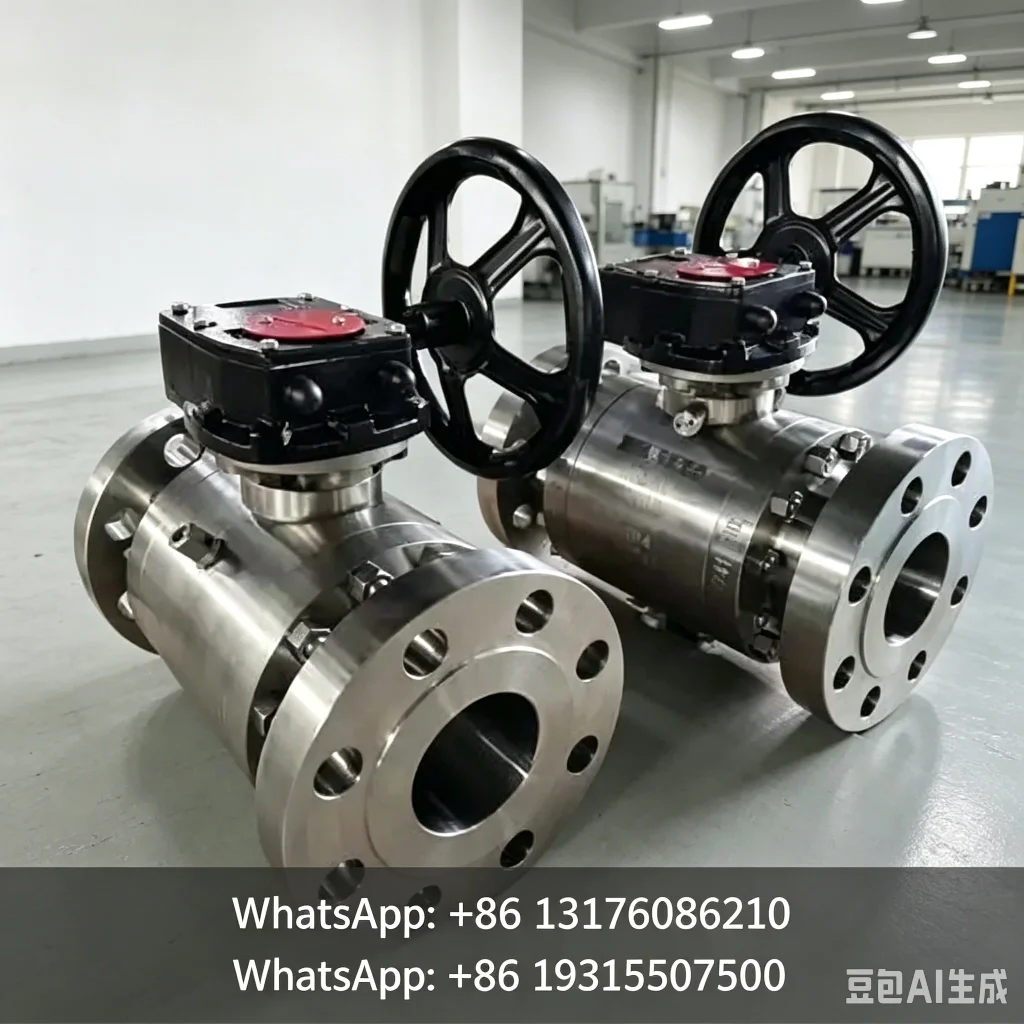
These forged steel ball valves for high-pressure and high-temperature applications are machined from integral forgings. The valve body is free from casting defects such as porosity or sand holes, offering high structural strength and excellent resistance to high pressure, high temperature, and fatigue. They are suitable for demanding service conditions in sectors such as oil and gas, power generation, chemical processing, and hydrogenation units. They facilitate pipeline flow control (on/off), while hard-sealed versions can also handle high-temperature throttling and shut-off duties.
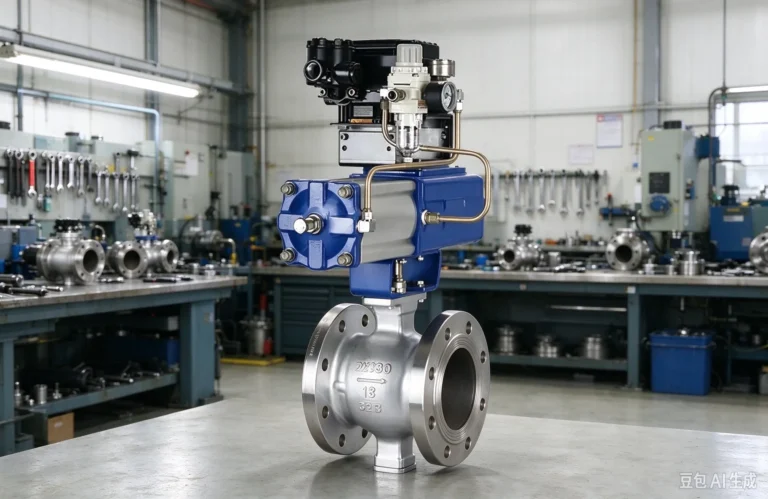
Available forged steel materials: A105, F304, F316, F94; pressure ratings range from Class 150 to Class 2500; compatible with manual, pneumatic, or electric actuators. - Structural Features
- Valve Body: Integrally forged; available in one-piece or split-body designs. One-piece forged bodies are preferred for high-pressure applications to ensure resistance against media erosion and pressure surges.
- Ball and Seat: Full-bore or reduced-bore options available; hard sealing surfaces feature Stellite (STL) hard-facing for wear and high-temperature resistance; soft sealing options include PTFE or PPL (suitable for medium-to-low temperatures only).
- Stem: Made from the same forged material; features a blow-out-proof design and anti-static construction to eliminate ignition risks, making it suitable for flammable and explosive media.
- Sealing Structure: Seats utilize spring-loaded pre-tightening to maintain sealing integrity during pressure fluctuations; stem packing employs flexible graphite, ensuring resistance to high temperatures and pressures.
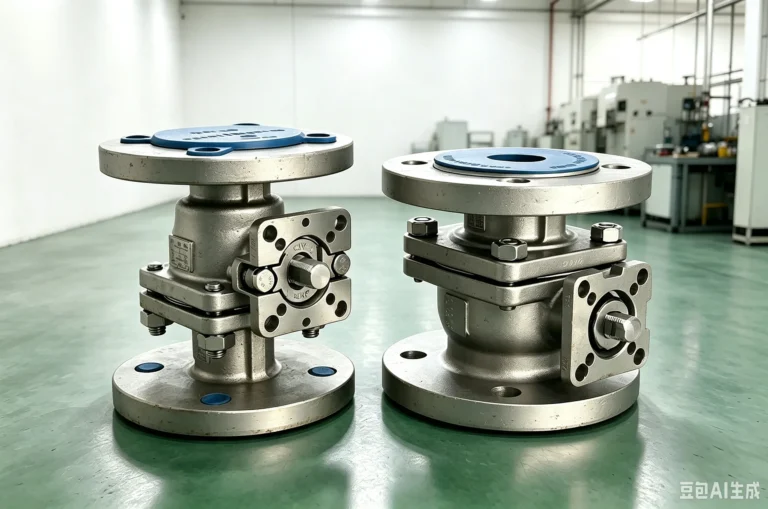
- Connection Types: Flanged, threaded, or BW (Butt-Weld) connections (BW is preferred for high-temperature/high-pressure service).
- Operation Methods: Manual handle, pneumatic actuator, or electric actuator options available. 3. Material Comparison Table
Table
| Component | A105 | F304 | F316 | F94 |
| Body / Bonnet | A105 (Carbon steel forging) | F304 (304 Stainless steel forging) | F316 (316 Stainless steel forging) | F94 (Cr-Mo-V steel forging) |
| Ball | A105 + STL overlay | F304 + STL overlay | F316 + STL overlay | F94 + STL overlay |
| Stem | 416/304 | F304 | F316 | F91/F94 |
| Seat Seal | Hard alloy (STL) / Graphite | Hard alloy (STL) / Graphite | Hard alloy (STL) / Graphite | Hard alloy (STL) / Graphite |
| Applicable Media | Water, steam, oil products, compressed air | Weak acids, weak alkalis, general corrosive media | Chloride-ion-containing media, seawater, organic acids | High-temperature steam, high-temperature oil/gas, hydrogenation, power plant high-temp/high-pressure service |
Material Notes:
- A105: Carbon forged steel; cost-effective; used for non-corrosive media at ambient to medium-high temperatures.
- F304: Austenitic stainless steel forging; resistant to mild corrosion.
- F316: Molybdenum-bearing stainless steel forging; resistant to chloride-ion corrosion.
- F94: Cr-Mo-V heat-resistant steel; excellent high-temperature creep properties; specialized for power plants and high-temperature process piping.
- Pressure Rating & Temperature Range
Nominal Pressure
ASME Standard: Class 150, Class 300, Class 600, Class 900, Class 1500, Class 2500
Applicable Temperature
- A105: -29°C ~ +425°C
- F304 / F316: -196°C to +550°C
- F94: -29°C to +600°C
Note: The maximum allowable working pressure decreases as the medium temperature rises; selection must be based on ASME B16.34 pressure-temperature rating curves.
- Operating Conditions and Applicable Media
✅ Applicable Conditions
- Process pipelines subject to high temperatures, high pressures, and significant pressure fluctuations
- Petroleum refining, natural gas, oil and gas gathering and transportation, and hydrogenation units
- Thermal power plant boilers, steam lines, and district heating networks
- Chemical processing, high-pressure compressed gas, and pipelines carrying flammable or explosive media
- Applications requiring frequent opening/closing, reliable sealing, and erosion resistance
✅ Applicable Media
Saturated/superheated steam, high-temperature heat transfer oil, crude oil, refined petroleum products, natural gas, compressed air, hydrogen, and mildly corrosive chemical fluids.
❌ Inapplicable Conditions
Strongly oxidizing strong acids and media containing large amounts of hard solid particles (which cause rapid wear on alloy sealing surfaces).
- Working Principle
An actuator (manual, pneumatic, or electric) drives the valve stem, rotating the ball 0–90°. When the ball’s bore aligns with the pipeline passage, the valve is fully open, allowing flow; upon a 90° rotation, the solid surface of the ball presses against the seat, shutting off the flow.
Hard-sealed forged steel ball valves are primarily used for shut-off applications; special V-port ball versions can also handle flow regulation. The valve features an anti-static design to prevent static sparks caused by high-velocity fluid flow. - Installation and Usage Requirements
- Before installation, verify the material, pressure rating, and flow direction; ensure the arrow on the valve body aligns with the direction of medium flow.
- For butt-weld valves, cool the valve body during welding to prevent overheating and damage to the sealing surfaces. 3. Pipeline purging must be performed with the valve fully open to prevent impurities from scratching the sealing surfaces of the ball and seat.
- For high-temperature applications, a gradual temperature rise is recommended during startup to minimize thermal shock and protect the sealing components.
- The air supply (for pneumatic models) must be clean and dry; flexible graphite packing is required for high-temperature service.
- Operation beyond rated pressure or temperature limits is strictly prohibited; do not use extended levers to force the valve open or closed.
- Maintenance Guidelines
- Periodically check the packing area for external leakage; if leakage occurs, tighten the packing gland evenly.
- After a prolonged shutdown in high-temperature service, manually cycle the valve before putting it back into operation to ensure there is no binding or sticking.
- Sealing surfaces are subject to wear; if the medium contains trace particulates, the maintenance interval should be shortened.
- For long-term storage, seal the end ports, store in a dry environment, and keep the valve in a semi-open position.
- Product Standards & Warranty
Standards: ASME B16.34, API 6D, GB/T 12224
Factory Tests: Hydrostatic strength test, pneumatic tightness test, functional test
Warranty: 12 months (under normal operating conditions; wear parts and seals are excluded from the warranty)
FAQs
What types of products can we offer?
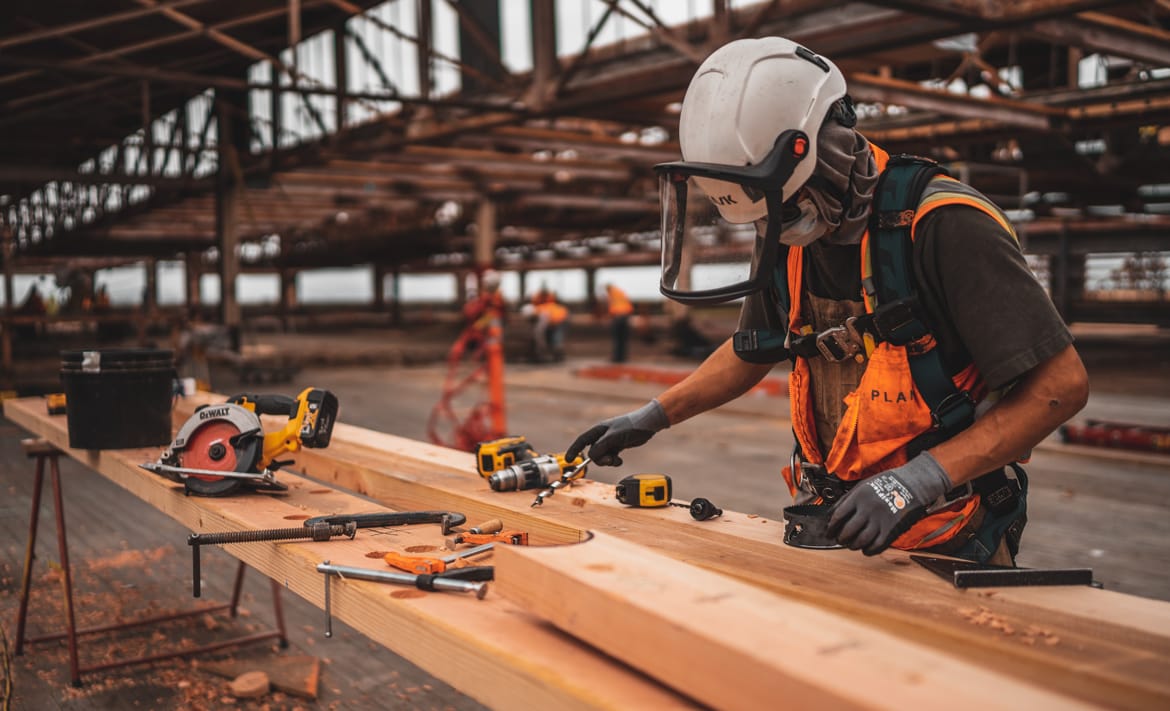
Make amazing 60 degree bevel cuts with our 8-1/4 in. SKILSAW Worm Drive model SPT78W-01. This saw is powered by our largest 15 amp Dual-Field high torque motor so you will make the last cut as precisely as you did the first cut. Exclusive 60 degree bevel. High torque Dual-Field motor. Legendary SKILSAW durability. Includes: SPT78W 8-1/4 In. Worm Drive SKILSAW, 24 Tooth Carbide blade and multi-functional blade wrench.
What logistics do we ship through?
Make amazing 60 degree bevel cuts with our 8-1/4 in. SKILSAW Worm Drive model SPT78W-01. This saw is powered by our largest 15 amp Dual-Field high torque motor so you will make the last cut as precisely as you did the first cut. Exclusive 60 degree bevel.

Can it be customized as per our requirements?
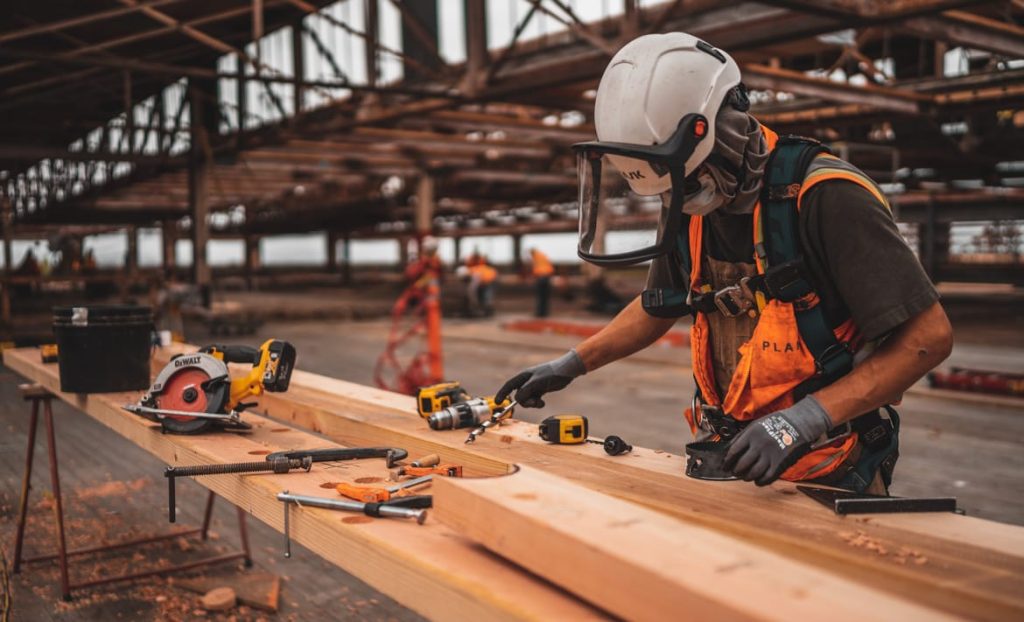
Make amazing 60-degree bevel cuts with our 8-1/4 in. SKIL Worm Drive Skilsaw model SPT78W-01. This Skilsaw is powered by our largest 15 amp Dual-Field™ high torque motor so you will make the last cut as precisely as you did the first cut. Exclusive 60-degree bevel. High torque Dual-Field™motor. Legendary SKIL durability.
What is our ordering process?
Shenguan is a direct seller of CATL, LISHEN, EVE, GOTION, Narada, TAFEL, CALB, REPT and other batteries. We have fresh stock, ready for shipment. Support ODM&OEM, please contact the store customer service to provide customized requirements.
What services are included in the after-sales service?
- This saw is powered by our largest 15 amp Dual-Field
- High torque motor so you will make the last cut as precisely as you did the first cut.
- Exclusive 60 degree bevel. High torque Dual-Field motor. Legendary SKILSAW durability.
- Includes: SPT78W 8-1/4 In. Worm Drive SKILSAW, 24 Tooth Carbide blade and multi-functional blade wrench.