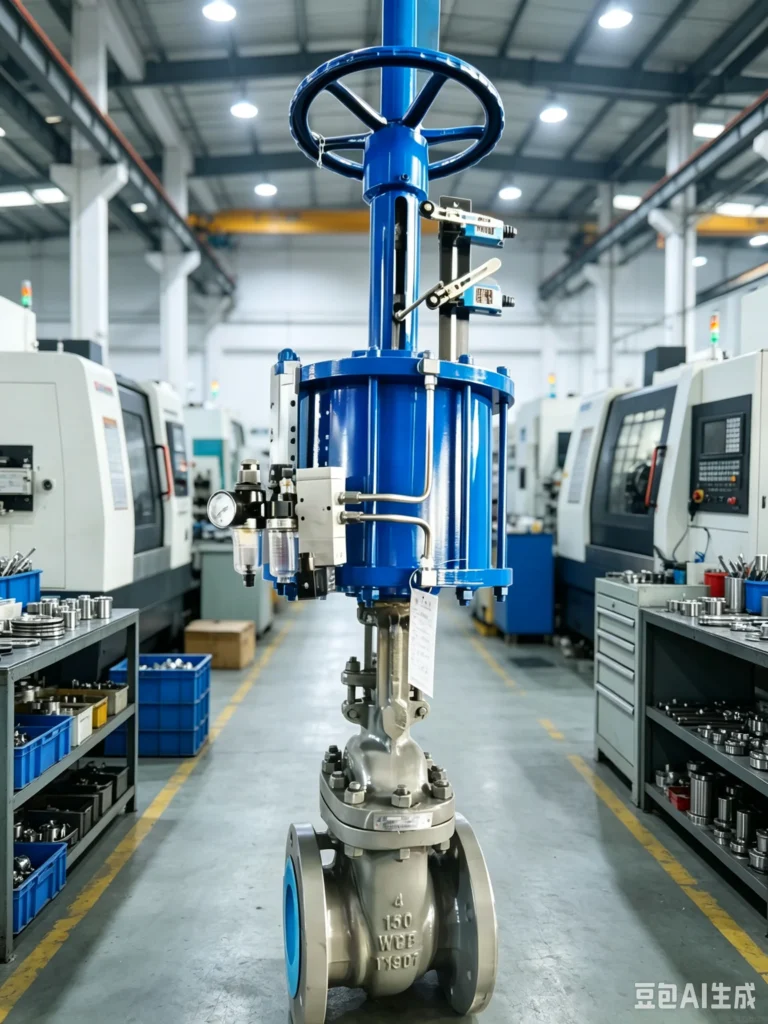
Forged Steel High-Pressure Ball Valve
Forged Steel High-Pressure Ball Valve: Product Structure and Operating Conditions
I. Product Overview
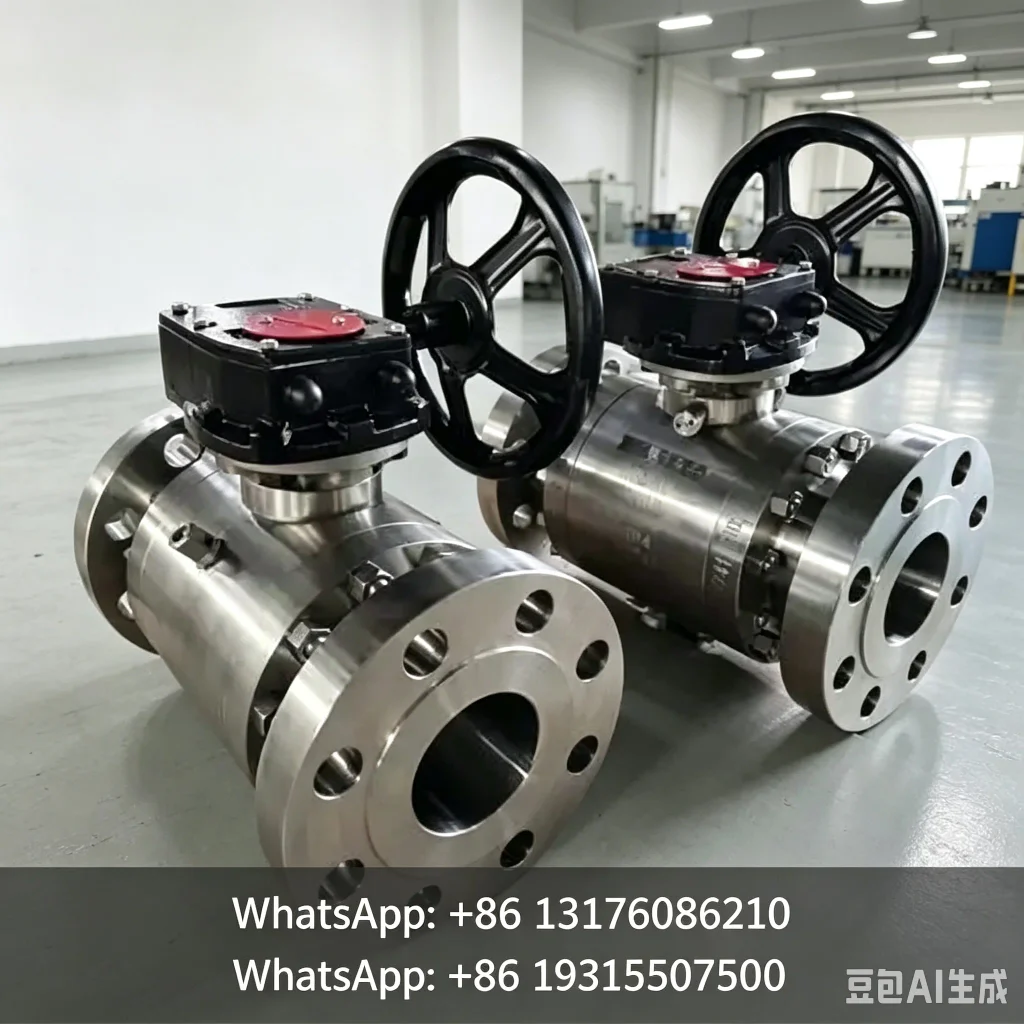
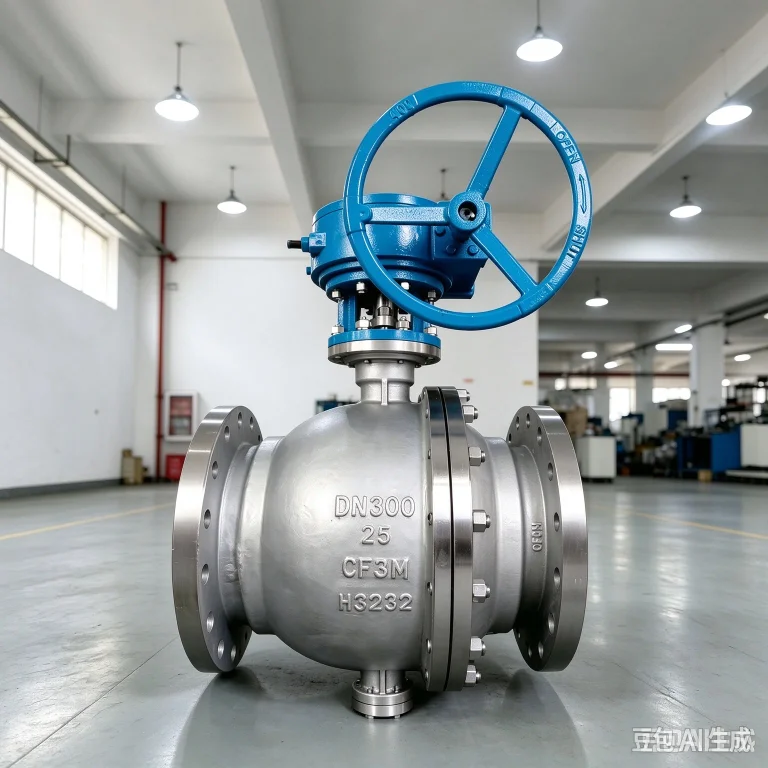
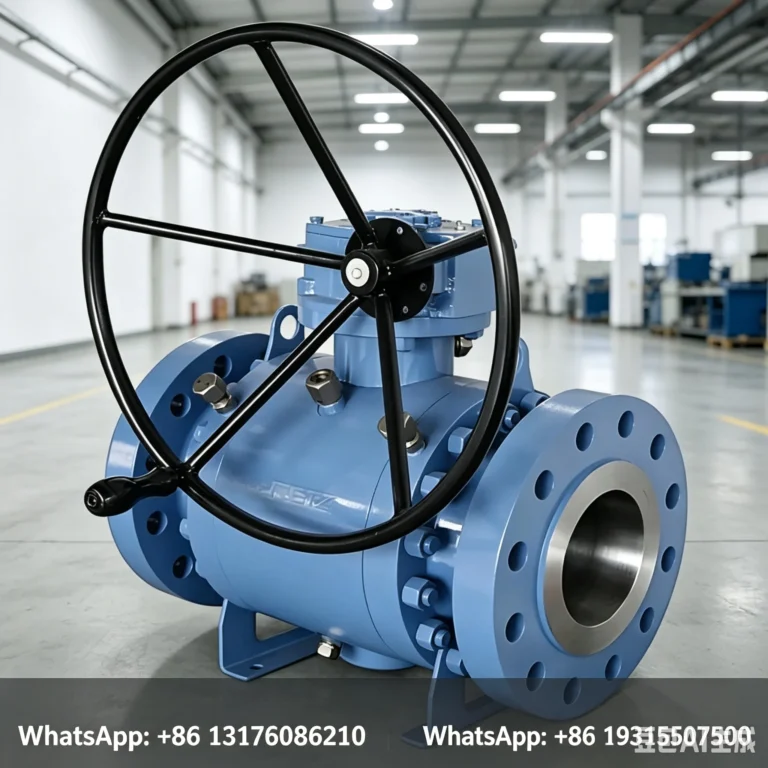
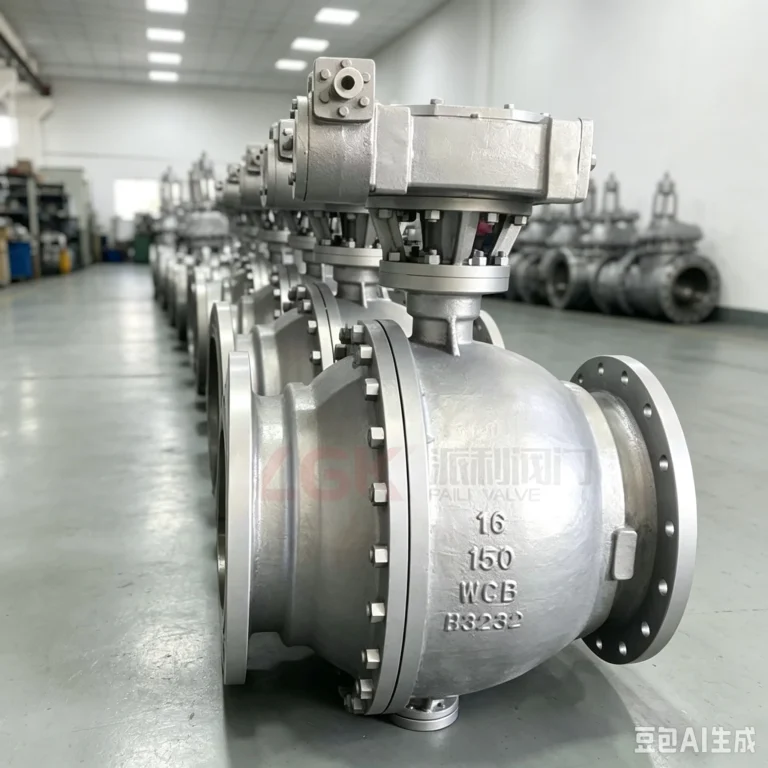
Forged steel high-pressure ball valves are manufactured using an integral forging process, resulting in a dense, high-strength body structure free from porosity or sand holes. Designed specifically for isolation duties in high-temperature, high-pressure, flammable, explosive, and severe operating environments, these valves feature a compact design, reliable sealing, and high impact resistance. They enable rapid opening/closing and zero-leakage shut-off, making them essential control valves for high-pressure systems in the petroleum, chemical, and power industries.
II. Structural Features
- Integrally Forged Body: Formed from a single piece of forged steel, the body offers superior pressure resistance, withstands high-pressure shocks, and resists deformation, making it ideal for continuous, long-term high-pressure operation.
- Floating Ball or Trunnion-Mounted Ball Options: Small-bore floating ball designs offer sensitive sealing; large-bore trunnion-mounted designs provide lower operating torque, greater stability, and excellent high-pressure performance.
- High-Pressure Hard or Soft Sealing Options: Soft sealing ensures zero leakage; metal hard sealing offers resistance to high temperatures, erosion, and particulate-laden media, resulting in a longer service life.
- Top-Entry or Two-Piece Structure: Compact design allows for in-line maintenance without removing the valve from the pipeline, facilitating easy servicing.
- Anti-Blowout Stem Design: Effectively prevents the stem from being ejected under high pressure, enhancing safety for both equipment and personnel.
- Anti-Static and Fire-Safe Design: Meets requirements for fire safety, explosion protection, and anti-static operation, complying with high-pressure safety standards.
- Versatile Actuation Options: Available with manual, worm gear, pneumatic, electric, or hydraulic actuation; can be equipped with positioners, solenoid valves, and manual override mechanisms to enable automated control. III. Common Material Configurations
Valve Body: A105, F304, F316L, F22, F51 (2205), F53 (2507), 904L
Ball: Stainless steel with integral hardening treatment; wear- and erosion-resistant
Seals: PTFE, HNBR, or metal-to-metal hard seals
IV. Pressure Ratings and Temperature Ranges
Pressure Ratings: CL150, CL300, CL600, CL900, CL1500, CL2500 (Full high-pressure series)
Temperature Range: -29°C to +450°C (Customizable for ultra-high or cryogenic conditions depending on seals and materials)
V. Applicable Operating Conditions and Scenarios
Designed specifically for demanding conditions involving high pressure, high temperature, flammable/explosive media, severe erosion, and continuous operation: - High-pressure oil and natural gas transmission pipelines and gathering stations
- High-pressure chemical process systems, hydrogenation units, and cracking units
- Thermal power plants, cogeneration plants, high-pressure steam piping, and boiler auxiliary systems
- Coal chemical industry, energy storage, and high-pressure gas transmission systems
- Isolation and control of flammable/explosive media, high-pressure oils, gases, and steam
- Industrial high-pressure piping requiring zero leakage and long-term maintenance-free operation
VI. Implementation and Testing Standards
Design Standards: API 607, API 6D, ASME B16.34
Connection Standards: ASME B16.5, NPT threads / integrally forged flanges
Pressure Testing Standards: API 598, GB/T 13927
Fire-Safe Standards: API 607 Fire-safe and Anti-static Certification
VII. Product Advantages
The forged steel valve body resists deformation under high pressure and ensures stable sealing performance and excellent resistance to temperature and pressure. It incorporates multiple safety features—including fire-safe, explosion-proof, anti-static, and anti-blowout stem designs—and supports continuous, all-weather operation. With a low failure rate and minimal maintenance requirements, it is the optimal shut-off valve for high-pressure process pipelines.